

The Zambia Nurse and Life Skills Training Project
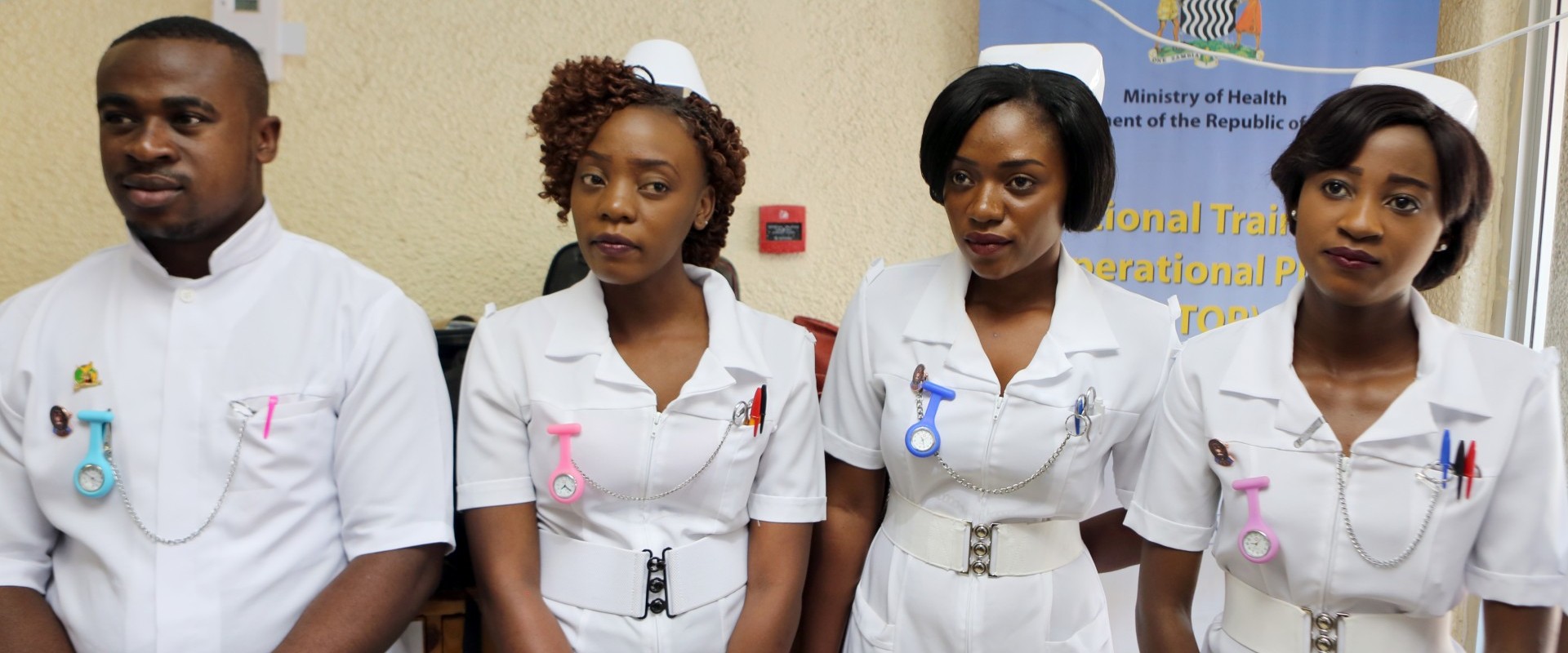
In 2017, Zambia faced a severe health workforce crisis—only one nurse for every 1,500 people, more than double the World Health Organization’s recommended ratio of 1 to 700. With thousands of lives depending on stronger healthcare delivery, action couldn’t wait.
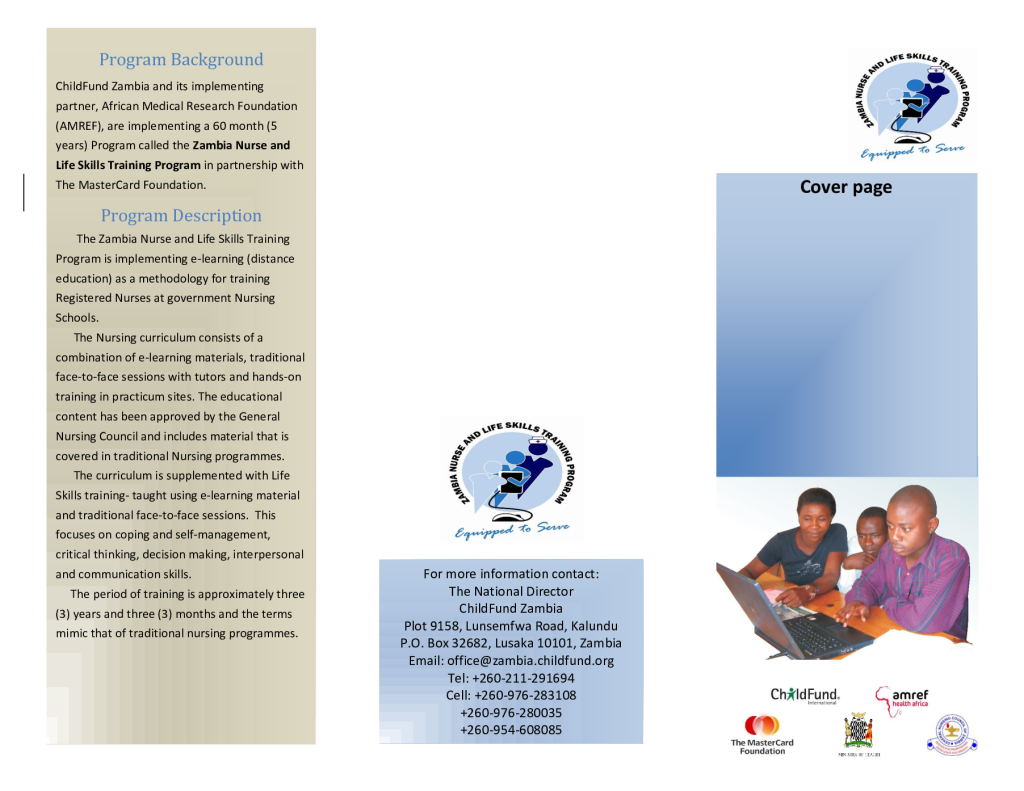
ChildFund, with funding from The MasterCard Foundation and in collaboration with AMREF, launched the $7.6 million Zambia Nurse and Life Skills Training Program—an ambitious e-learning initiative designed to scale up the country’s nursing workforce. Over 6,600 young people, including 6,000 core nursing trainees, were equipped with both clinical and life skills, helping them qualify as nurses and midwives ready to serve in communities that need them most
The objectives of this project were to:
- Increase production of skilled healthcare professionals.
- Expand access to nurse and midwife training, especially in rural areas.
- Respond to youth unemployment and enhance employability.
- Integrate life-skills development into nursing education.
MasterCard Foundation
Mastercard Foundation is a global foundation with a mission to advance education and financial inclusion for young people, particularly in Africa. In Zambia, the Mastercard Foundation partnered with ChildFund to support the Zambia Nurse and Life Skills Training Project, which aimed to equip vulnerable youth especially young women with critical skills for employability and self-reliance. Through this initiative, the Foundation supported the training of nurses and the delivery of comprehensive life skills education, empowering participants to contribute meaningfully to their communities and the health sector.
Role: The Mastercard Foundation played a catalytic role in funding and shaping the Zambia Nurse and Life Skills Training Project, enabling marginalized youth to gain vocational qualifications and essential life skills for sustainable livelihoods.
Learn more: https://mastercardfdn.org/en/what-we-do/our-strategy
AMREF Health Africa, the Ministry of Health, The General Nursing Council, Nursing schools
Amref Health Africa is a leading African health development organization dedicated to improving the health and well-being of people across the continent. With a strong focus on strengthening health systems and building health worker capacity, Amref Health Africa played a key role in the Zambia Nurse and Life Skills Training Project. Through its expertise in health training and life skills education, Amref supported the curriculum development, training delivery, and mentorship components of the program, ensuring that young people, particularly women, received holistic training that combined clinical competencies with essential life skills.
Role: Amref Health Africa provided technical leadership in the design and implementation of the life skills component, integrating personal development, communication, financial literacy, and health education into the nursing curriculum. Their involvement ensured that graduates not only obtained professional nursing qualifications but were also equipped with critical skills for personal growth, employability, and active participation in their communities.
Learn more at: https://amref.org/
The General Nursing Council
The General Nursing Council of Zambia (GNCZ) is the national regulatory body responsible for ensuring high standards in nursing and midwifery education and practice across Zambia. In its mandate to safeguard the quality of healthcare services, GNCZ played a pivotal role in the Zambia Nurse and Life Skills Training Project. Leveraging its authority and expertise in nursing education, the Council provided oversight and guidance to ensure that the training program met national standards and responded to the evolving healthcare needs of the country.
Role:The General Nursing Council of Zambia ensured that the curriculum developed for the Zambia Nurse and Life Skills Training Project aligned with national nursing education standards and professional competencies. The Council facilitated accreditation, approved training institutions, and monitored the quality of both clinical and life skills training. Its involvement guaranteed that graduates were not only professionally licensed but also well-prepared with the essential skills needed to deliver quality care, contribute meaningfully to the health sector, and participate actively in their communities.
Learn more: https://gnc.org.zm/
Ministry of Health
The Ministry of Health (MoH) of Zambia is the government authority responsible for formulating and implementing national health policies, coordinating healthcare delivery, and ensuring access to quality health services for all citizens. In its leadership role, the Ministry played a critical part in the Zambia Nurse and Life Skills Training Project, providing policy direction, facilitating partnerships, and ensuring the alignment of the program with national health priorities and workforce development goals.
Role:The Ministry of Health provided strategic oversight and leadership to the Zambia Nurse and Life Skills Training Project, ensuring that the initiative supported the national agenda for strengthening the health workforce. The Ministry facilitated collaboration among stakeholders, endorsed the integration of life skills into nursing education, and supported the scale-up and sustainability of the program. Its involvement ensured that the project contributed directly to building a competent, resilient, and responsive healthcare workforce capable of meeting Zambia’s current and future health needs.
Learn more: https://www.moh.gov.zm/
- Lusaka
- Luangwa
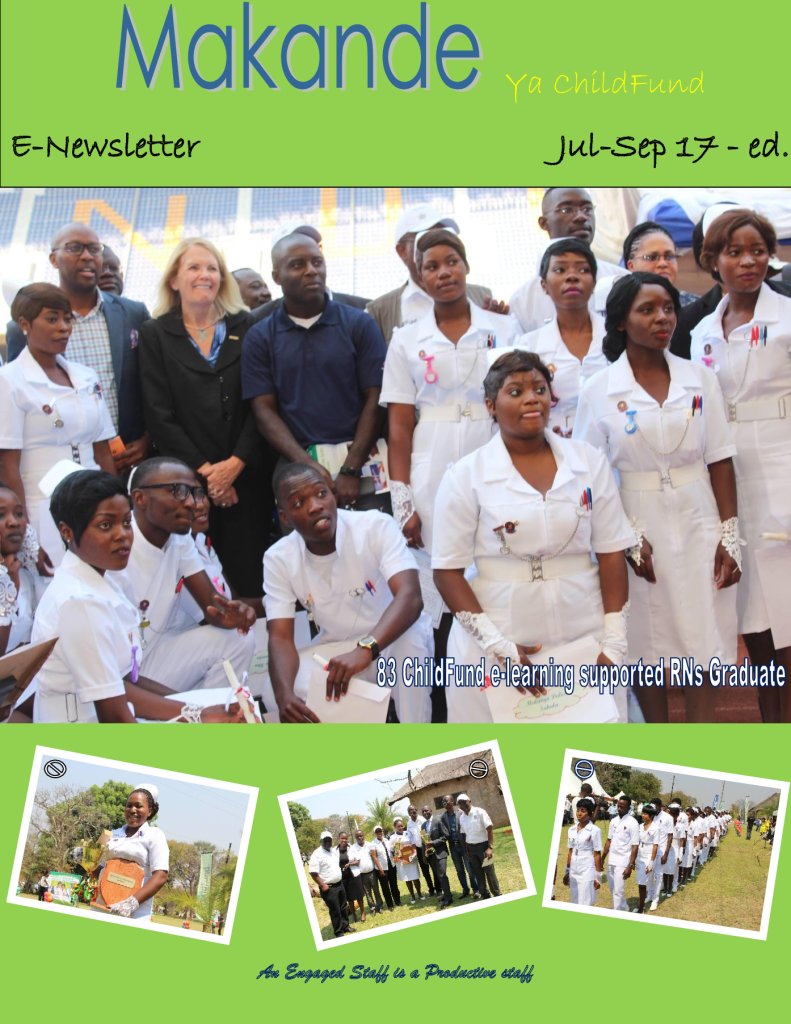
- A total of 6,600 nurses trained in clinical nursing and equipped with essential life skills, preparing them to deliver high-quality, people-centered care across the country.
- 10 nursing schools supported through infrastructure development, enhancing learning environments and student experiences.
- 43 clinical training sites upgraded, ensuring nurses gain hands-on experience in safe and well-equipped facilities.
- 66 tutors trained in curriculum adaptation, content development, and medical editing, enhancing the quality and relevance of nursing education.
- Innovative training approach introduced: life-skills integrated into the curriculum, training duration shortened, and skills labs added to improve practical learning.
- Sustainable digital learning solutions: The e-learning model developed under the project has been adopted by the Government of Zambia and is now being rolled out to train additional cohorts of nurses across the country.
This project produced well-rounded, job-ready graduates and strengthened national health systems and aligned with Zambia’s broader healthcare and workforce development goals. It exemplifies how strategic partnerships can drive systemic change, increase access to quality education, and unlock the potential of young people in the health sector.
Latest News

ChildFund’s support allowed me to become a nurse. Now, I’m helping others
Peter Kambemba, a 2017 graduate of ChildFund's Zambia Nurse and Life Skills...
Read More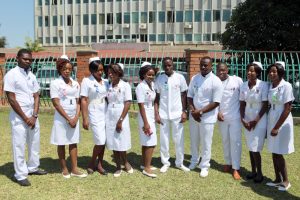
ChildFund mobilizes support for volunteer nurses battling cholera outbreak in Lusaka
When Lusaka recently faced a cholera outbreak that affected over 2,000 residents,...
Read More
ChildFund, MasterCard Foundation, AMREF & Ministry of Health Launch E‑Learning to Bridge the Nursing Gap
Zambia faces a critical shortage of trained health workers—just one nurse for...
Read MoreRelated Resources
Contact Us
SHARE VIA: