

When Wildlife Threatens, Children Suffer Protecting crops and livelihoods to keep children safe and in school in Luangwa.
September 21, 2017
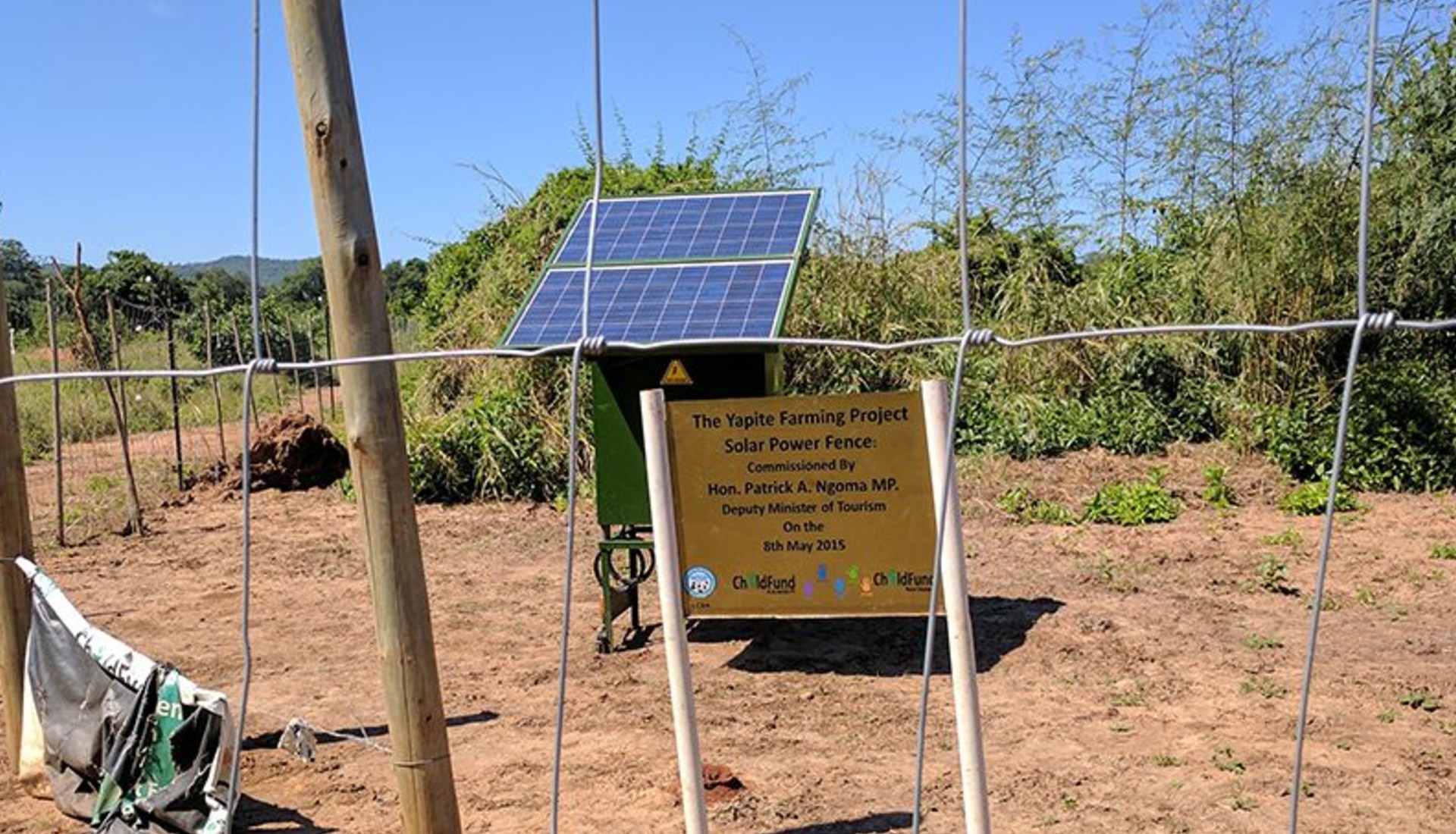
The electric fence has reduced crop damage by wild animals to just 5%.
Human–wildlife conflict is a daily reality in Luangwa District, where elephants, bush pigs, and baboons routinely raid farms, destroying up to 76% of a family’s crops each season. To protect their food, many families used to sleep in makeshift shelters beside their fields, putting themselves, especially children, at risk of injury or death when confronting wild animals.
The situation was worsened by poor road infrastructure, which made it difficult for farmers to access markets. Even when harvests survived, transport challenges and crop spoilage left families food-insecure and incomes unstable. These pressures often pushed children out of school and into harmful coping strategies.
“When wildlife threatens crops and livelihoods, it puts children at risk of hunger, school absenteeism and exploitation,” says Victor Koyi, Country Director for ChildFund Zambia. “Families need reliable harvests and steady incomes to keep their children safe, healthy and learning.”
To address these threats, ChildFund partnered with the Luangwa Child Development Agency (LCDA), the Zambia Wildlife Authority, and local government to install two solar-powered electric fences. These protect 869 hectares of farmland and are strong enough to deter even elephants. Since their construction, crop damage from wildlife has fallen to just 5 percent. Farmers no longer need to guard fields overnight, reducing the risk to life and freeing up time for other productive activities.
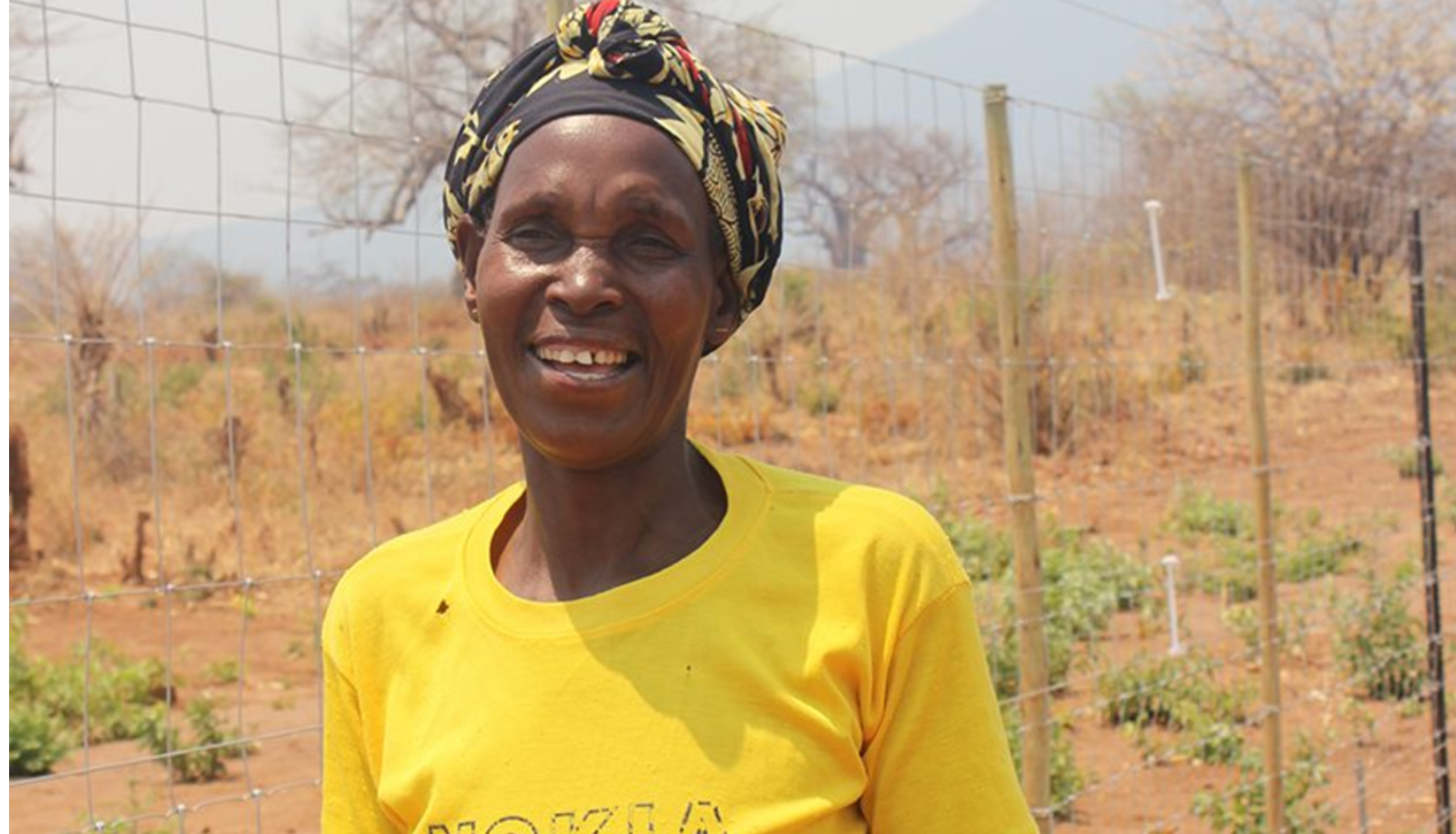
“We used to live the season in fear,” says Georgina Phiri, a mother of seven. “Now our fields are safe, and we sleep at home.”
“When wildlife threatens crops and livelihoods, it puts children at risk of hunger, school absenteeism and exploitation,” says Victor Koyi.
The project went beyond fencing. It introduced climate-smart water and energy solutions, including rainwater harvesting, dams, and hydro-turbines installed in the Zambezi River. These turbines now pump irrigation water to three hectares of land and generate electricity to power the local health centre and primary school—lighting classrooms, running six computers, and refrigerating medicines.
“When parents can feed their households and earn a living,” Koyi adds, “children remain in school, avoid hazardous work, and are empowered to thrive.”
By the end of the project, 90% of participating farmers reported confidence in meeting their families’ food needs, up from just 14 % at the start. Most also saw their agricultural incomes double or triple.
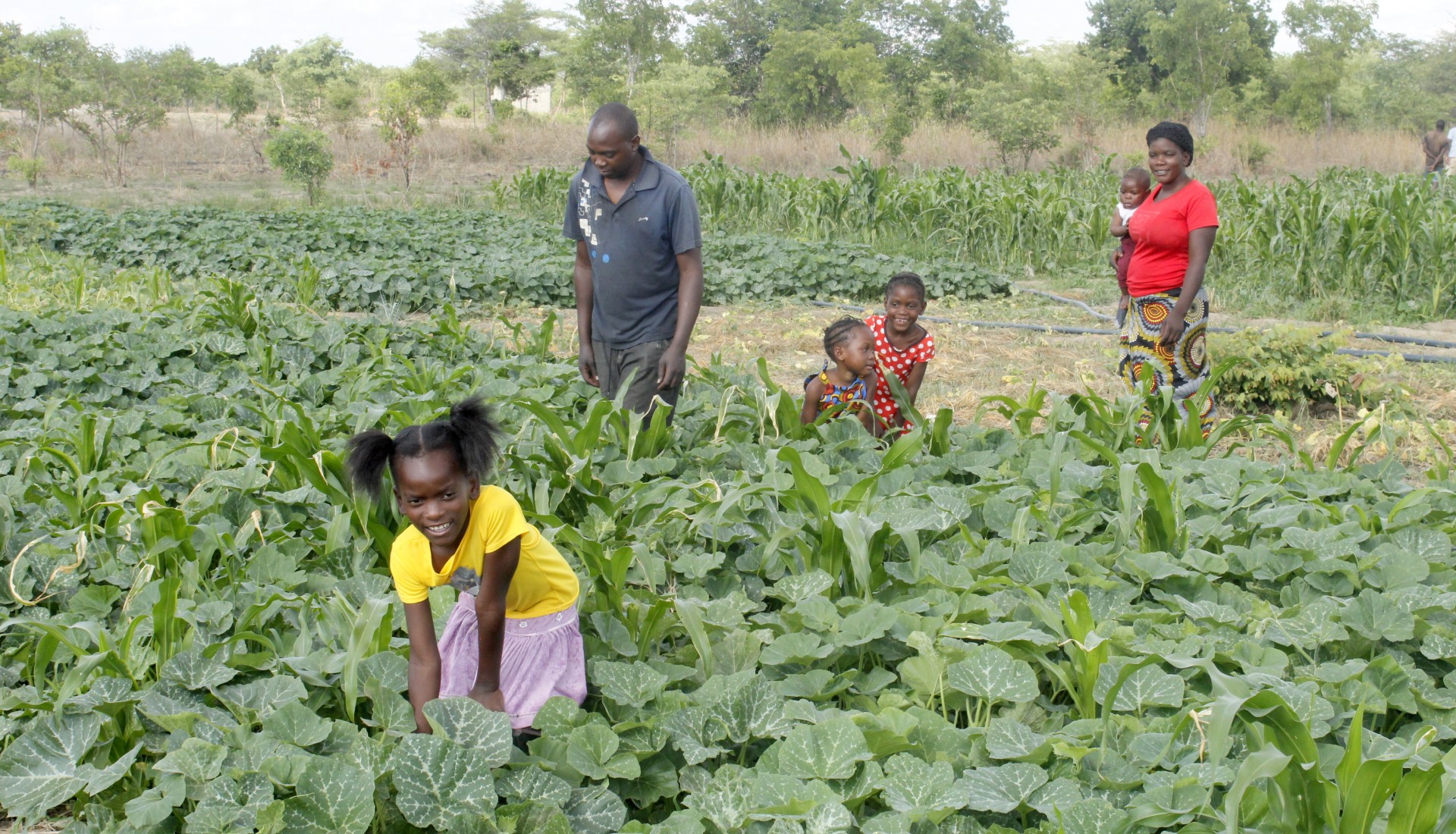
“By combining wildlife‑proof fencing, dependable water and energy systems, and hands‑on livelihood training, we have turned farming into a dependable source of food and income,” says Koyi. “The result is stronger families, more resilient communities, safer environments and a more secure future for every child in Luangwa.”
SHARE:




Related Resources
ChildFund hands over $86,000 expanded youth resource centre in Chongwe
ChildFund has officially handed over the newly expanded Chainda Youth Resource Centre in Chongwe District,...

ChildFund Calls for Stronger Action to Protect Girls and End Inequality
ChildFund has called for strengthened collective action to address the persistent challenges facing girls in...
Alice and the Fight for Girls’ Education in Chongwe, Kafue, Chibombo, Luangwa and Mumbwa
Alice dreams of becoming a nurse one day. “I want to give back to my...