

New Sinyawagora Health Center Brings Safe Deliveries to Luangwa’s Women
June 10, 2025
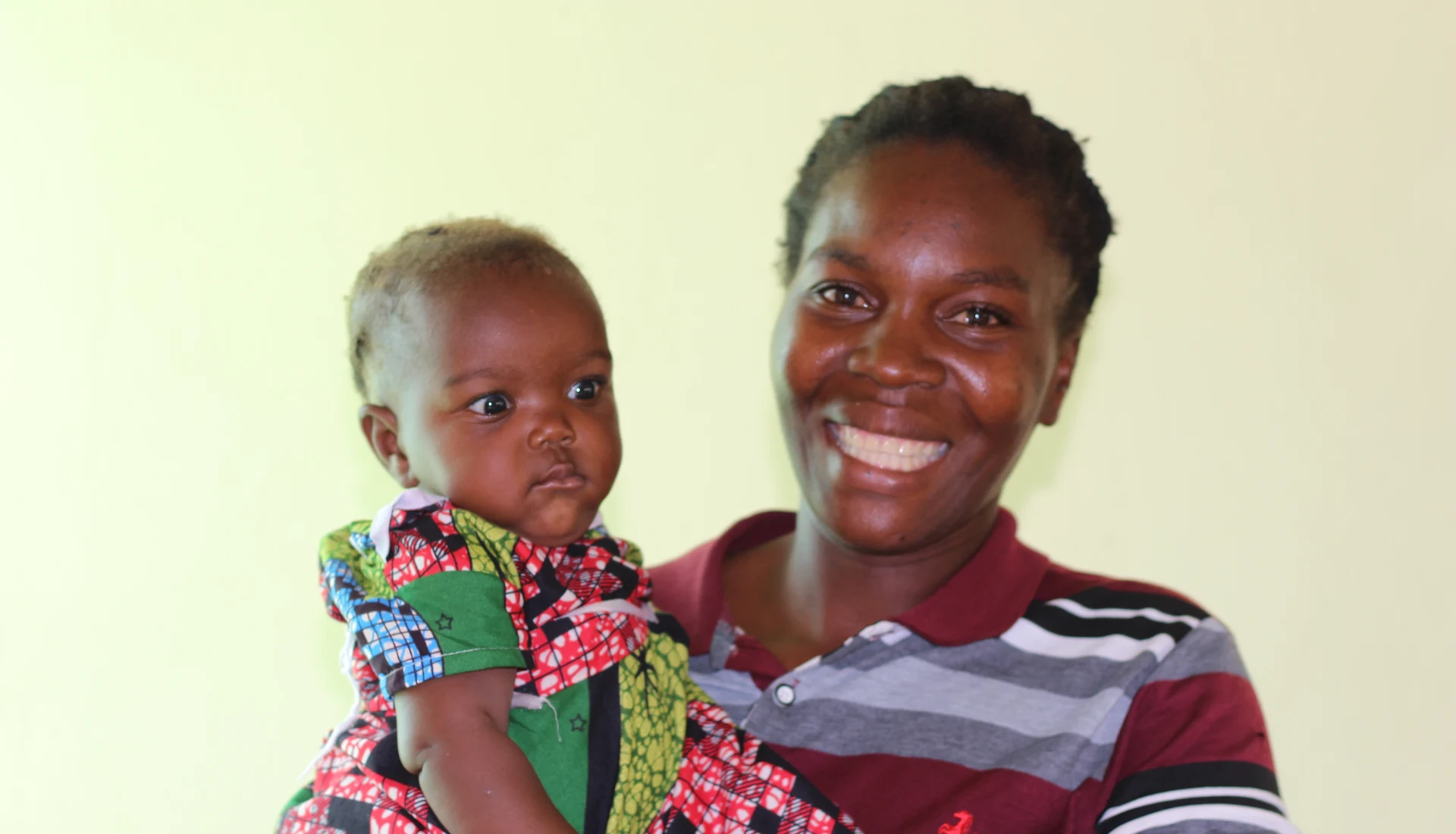
Cecelia with her baby that was born at the newly constructed Sinyawagora Rural Health Center
For 39‑year‑old Cecelia, the birth of her fourth child wasn’t just a new beginning. It marked a turning point for maternal health in her community. Until recently, Zambia’s maternal mortality ratio stood at 135 deaths per 100,000 live births, and only about half of rural births were attended by skilled health personnel, leaving women like Cecelia at great risk
“I gave birth to my first child at home under the care of a traditional birth attendant,” she recalls. “It was a very scary experience. There was no proper equipment or medication. Just hope and prayers.”
Cecelia’s story echoes the challenges faced by many women in rural Luangwa, where access to quality maternal healthcare was, until recently, a daily struggle. For her third pregnancy, Cecelia and her husband braved a 40-kilometer bicycle journey to Katondwe Mission Hospital, which was an uncomfortable and dangerous journey for any woman in labor. In fact, just 30 percent of rural Zambians live within 2 km of a health center, forcing families into long, unsafe journeys for care World Bank.
“Being on a bicycle for such a long distance is very uncomfortable when one is in labour,” she says.
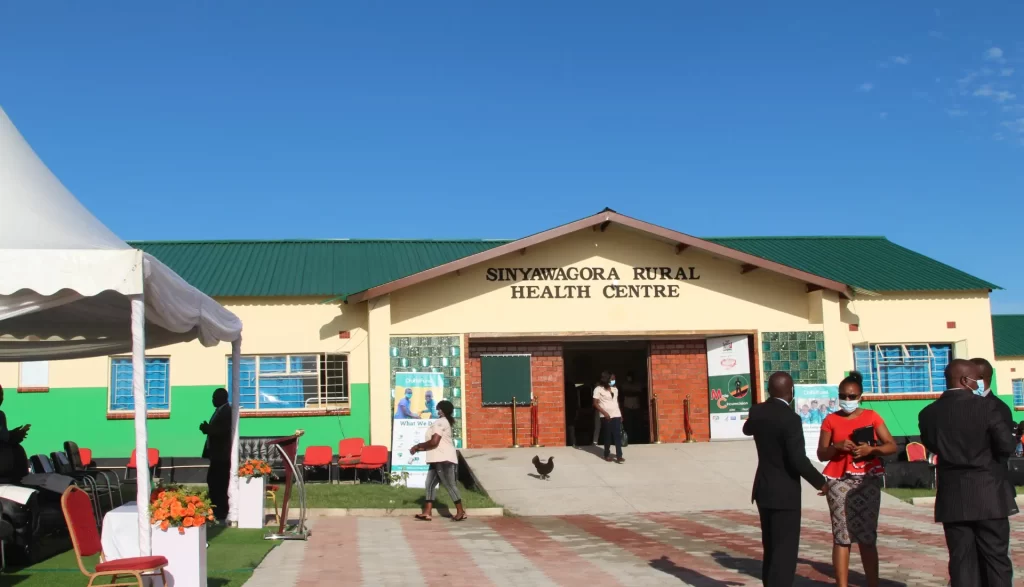
That all changed with the commissioning of Sinyawagora Rural Health Center, built with support from ChildFund New Zealand and officially opened by the Vice‑President, Mrs. Mutale Nalumango. Equipped with a maternity wing, fully‑stocked laboratory, pharmacy, screening rooms, and on‑site staff housing, the center has cut travel time from hours to minutes—and given women access to skilled birth attendants 24/7.
“That’s why I was so excited to give birth to my fourth baby at Sinyawagora. It is a very clean and beautiful hospital,” Cecilia says, excitedly.
“The commissioning of Sinyawagora Rural Health Center has revolutionized healthcare delivery in Luangwa,” says Dr. Danford Makayi, Luangwa Federation Manager. “What once required hours of travel and unbearable risk is now a matter of minutes. We are seeing more women opting for safe deliveries at the facility, and that is a huge win for maternal health.”
In addition to housing a fully-staffed maternity wing, the facility houses a fully equipped laboratory, pharmacy, screening rooms, male and female wards, and dedicated spaces for mother and child health. Staff houses on-site ensure that healthcare professionals are available around the clock.
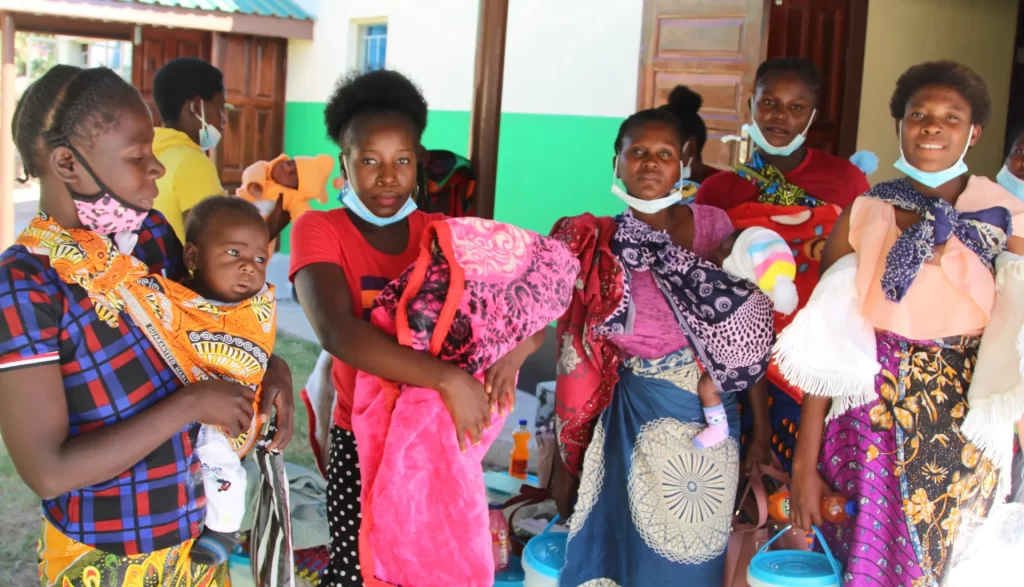
The government, recognizing the center’s importance, has deployed a full complement of healthcare personnel to ensure smooth and effective service delivery. This collaboration between government and development partners is already bearing fruit.
Traditional Leader Chief Mphuka, speaking on the development, said: “As a chief and a father, I am filled with pride. This health center is a lifeline for our people. It has brought dignity to childbirth and peace of mind to our families. We are grateful to ChildFund and everyone who made this possible.”
According to the nurse in charge Edward Mwanza, Sinyawagora now handles an average of 20 to 30 safe deliveries each month. “On average, we register 32 births here every month,” Edward explains, “and all mothers deliver under the supervision of skilled health personnel.” This surge has eased the burden on far‑flung hospitals and ensures that every mother in Luangwa can access timely, quality care just steps from home. For complex cases, we stabilize patients on‑site and refer them to the District Hospital to ensure they receive the highest level of care,” Mwamba explains. “Since opening, we’ve seen obstetric complications drop by over 50 percent
With Sinyawagora Rural Health Center now operational, women like Cecelia no longer have to choose between unsafe home births or grueling journeys for medical care. They can give birth closer to home, in safe, supportive environments, surrounded by trained professionals and modern equipment.




Related Resources
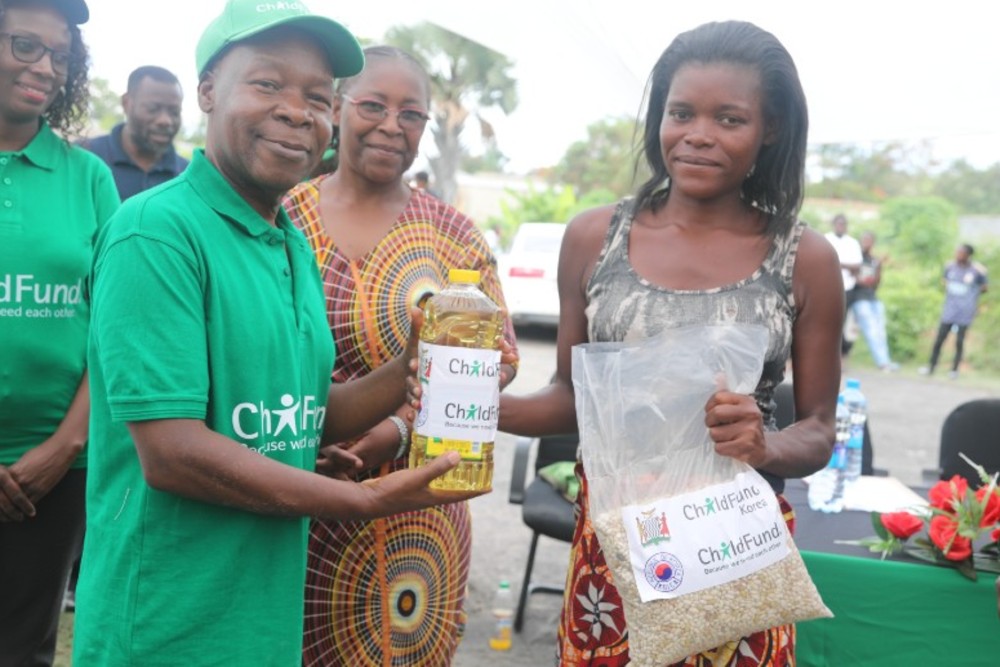
Government praises ChildFund for emergency response nutrition program
Ministry of Health Permanent Secretary for Donor Coordination, Dr George Sinyangwe, has paid tribute to...
Emmanuel’s Journey of recovery through ChildFund’s emergency nutrition response
When baby Emmanuel was born in Shibuyunji District during the severe drought of the 2023/24...

Clean water access helps Janet and other children stay healthy and in school in Mumbwa, Nyimba and Shibuyunji districts
For 11-year-old Janet and her family, for many years, access to clean water was once...