

Alice and the Fight for Girls’ Education in Chongwe, Kafue, Chibombo, Luangwa and Mumbwa
May 8, 2025
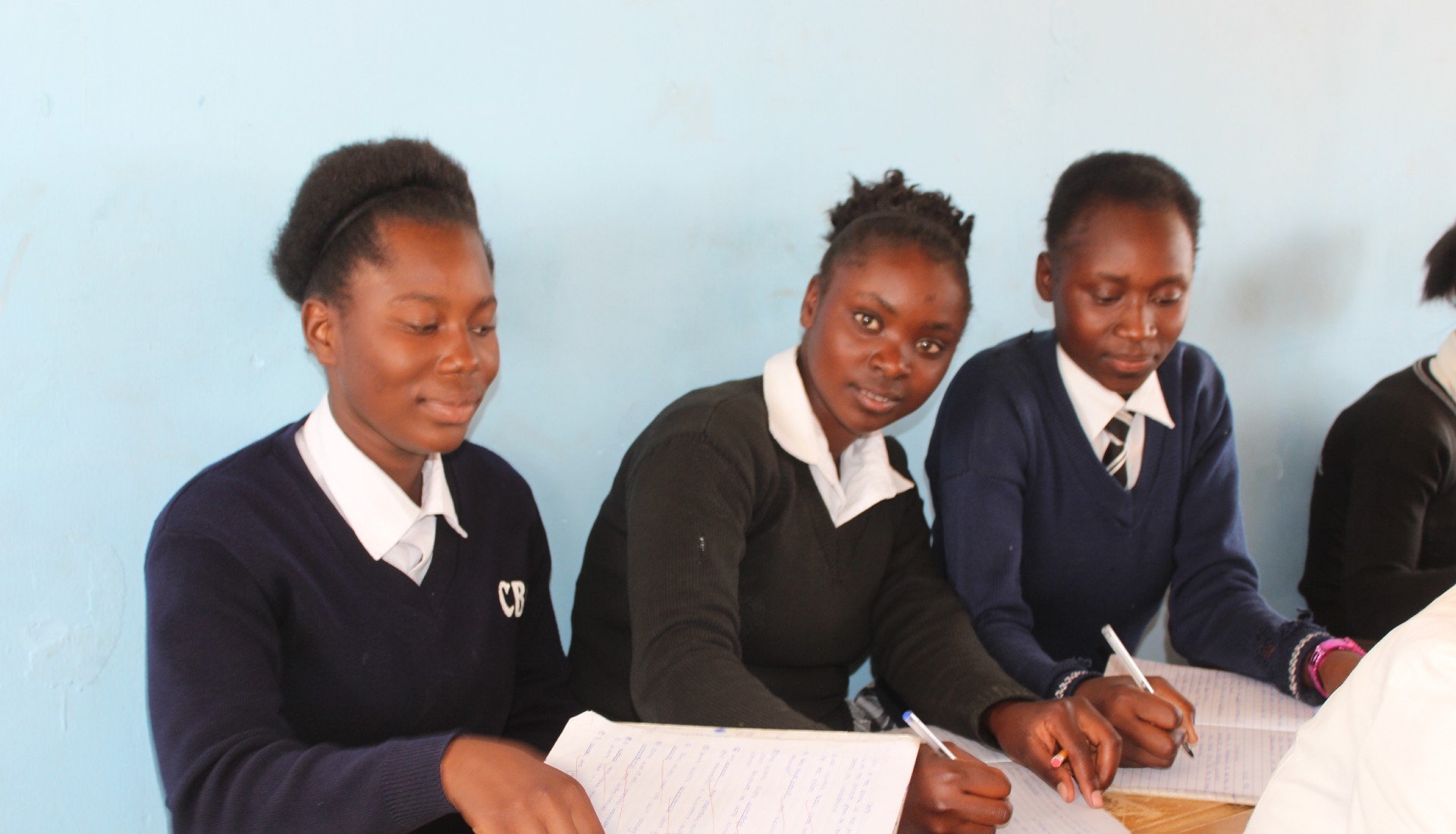
Girls studying in a classroom constructed by ChildFund in Chongwe District.
In Zambia, only 41% of girls complete secondary school, and in rural areas, the figure is even lower. Poverty, long distances to school, child marriage, lack of menstrual health resources, and gender-based violence remain major obstacles to education for girls. These challenges often force them out of school, robbing them of the chance to reach their full potential (UNICEF, 2020).
Alice is one of the girls who has struggled to stay in school. Living in Luangwa District with her parents and five siblings, 16-year-old Alice faced a daunting 15-kilometre journey to school each day. The route wasn’t just long. It was also dangerous, wild elephants frequently crossing the path. The daily risk and exhaustion made regular attendance nearly impossible.
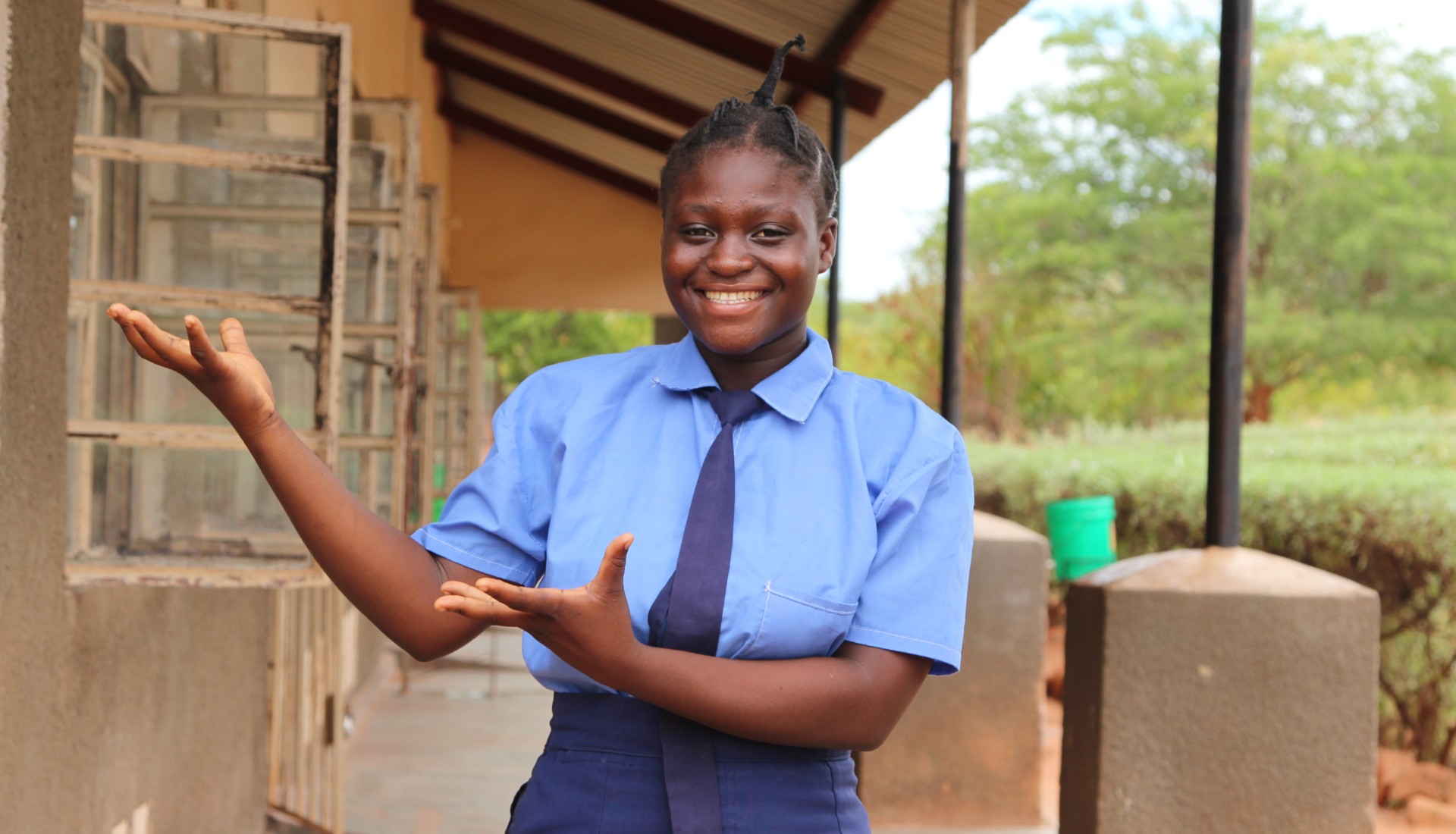
Keep Girls in School campaign
But her life changed through ChildFund’s Keep Girls in School campaign. As part of the program, Alice was supported to move into a safe boarding facility closer to school. “After the training, I was determined to complete my education, but walking every day was exhausting and dangerous,” she said. “Now, since I moved into the boarding house, I no longer miss lessons.”
In Zambia, only 41% of girls complete secondary school, and in rural areas, the figure is even lower. Poverty, long distances to school, child marriage, lack of menstrual health resources, and gender-based violence remain major obstacles to education for girls
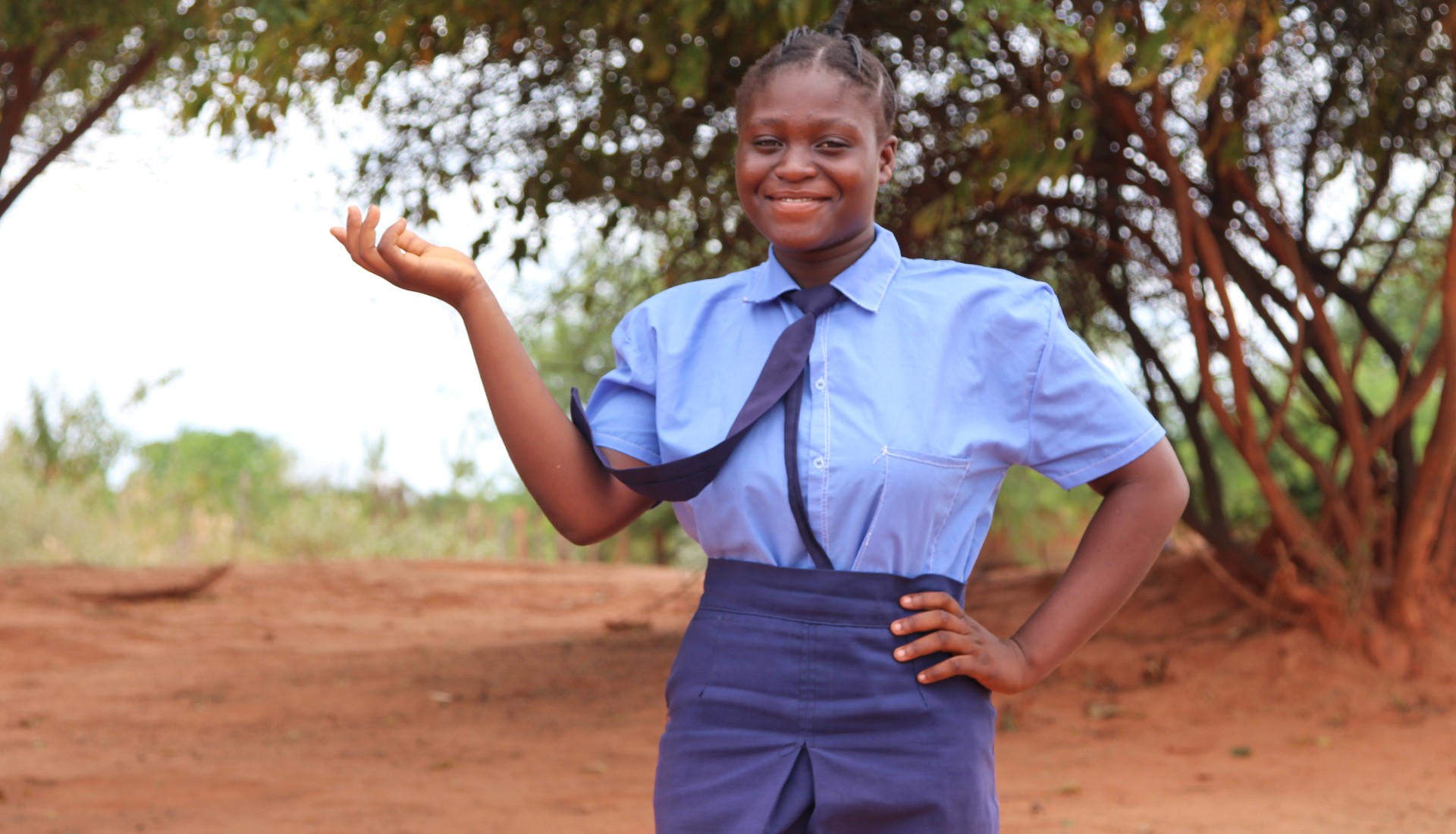
Alice is also a trained peer educator and has been connected with female teachers who serve as mentors. These role models encourage girls like her to stay in school and reject early marriage. “ChildFund has done so much to help me stay in school. The mentorship and support I’ve received have made all the difference,” she added.
“Education is my only way out of poverty,” Alice says with conviction. “I know that if I complete my education, I can achieve my dreams and help others in my community.”
To ensure girls like Alice can stay in school and thrive, ChildFund’s Keep Girls in School campaign delivers comprehensive support across five districts (Chongwe, Kafue, Chibombo, Luangwa, and Mumbwa) and has so far supported more than 5,000 girls. The campaign addresses both practical needs and social barriers, including:
- Reusable sanitary pads and menstrual health education to reduce absenteeism during menstruation.
- Textbooks and school supplies to aid learning.Mentorship and life skills training to build confidence and decision-making abilities.
- Community advocacy to discourage harmful practices such as early marriage.
- Access to safe boarding facilities for girls living far from school.
Improving School Infrastructure
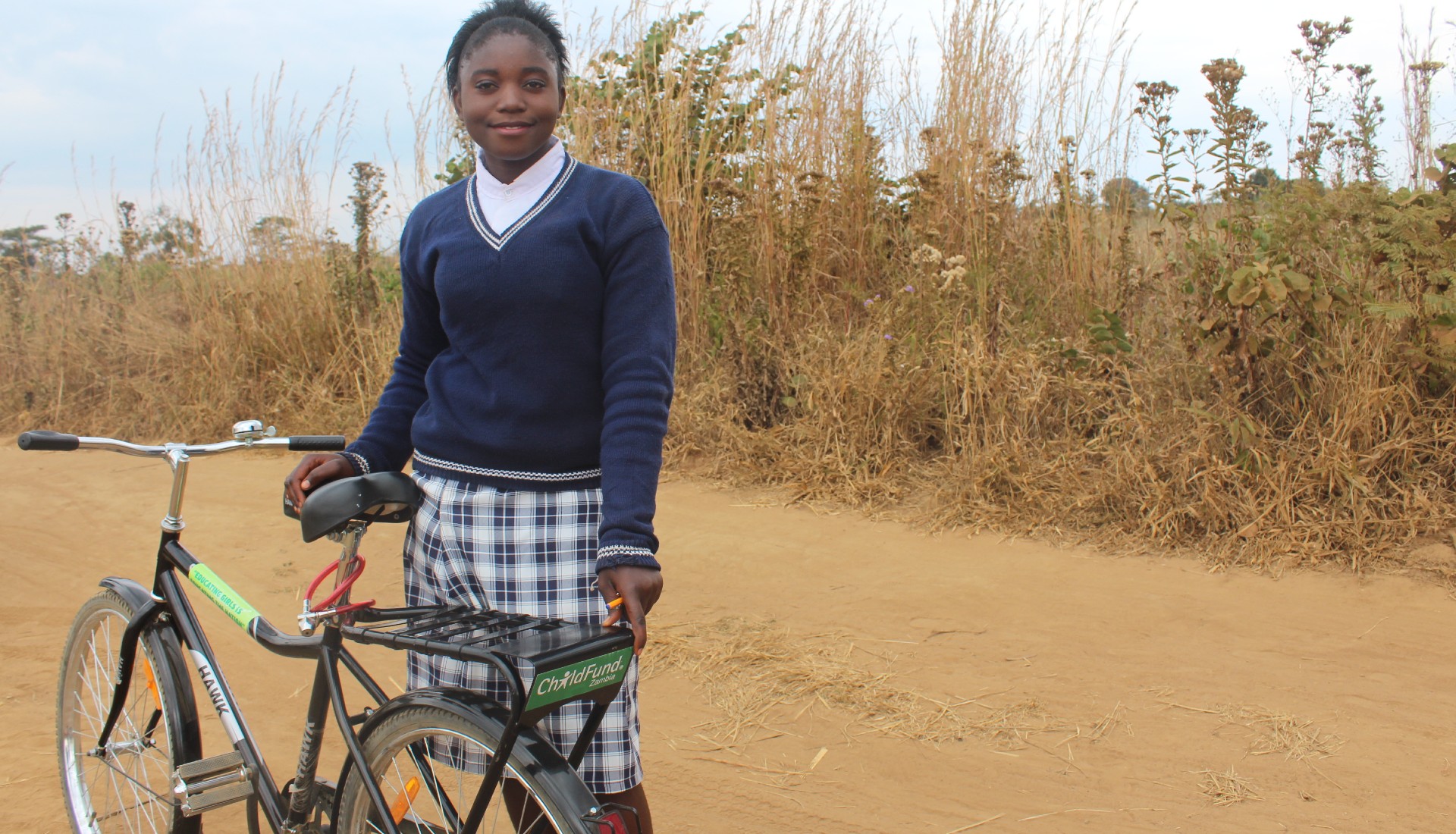
The campaign also improves school infrastructure. In Alice’s case, her school now has reliable water systems and more ablution blocks, creating a safer and more dignified environment for all students. “My school now has water and enough ablution blocks, so having my period doesn’t make me miss school anymore,” Alice shared.
“Before the introduction of these initiatives aimed at keeping girls in school, our girls here at Katete used to miss an average of 45 school days each year,” said Renutus Mushibwe, Head Teacher at Katete School. “This was largely due to the lack of proper sanitary facilities, which led many to stay home during menstruation. That’s no longer the case. Thanks to sensitization efforts and the construction of girls’ washrooms by ChildFund, the situation has improved significantly.”
Echoing this impact, the Deputy Head of Mwembezhi Secondary School Christopher Phiri shared: “We’ve observed a remarkable 56% increase in regular attendance among girls and a 20% drop in dropout rates over the past year. Previously, many girls dropped out due to long walking distances and inadequate hygiene facilities. Now, with access to menstrual hygiene kits and mentorship, we’re seeing a real shift—not just in attendance but in performance. The girls are more focused, engaged, and determined to succeed.”
Tashar Simasiku, ChildFund’s Education Specialist, emphasized the importance of a holistic approach in keeping girls in school: “Girls drop out of school for many reasons like period poverty, household responsibilities, early marriage, and safety concerns. Data shows that nearly 32% of girls in Zambia do not complete secondary school, with early pregnancy and child marriage being major factors.
Our program addresses these challenges directly by providing school supplies, menstrual hygiene kits, and safe spaces, while also engaging parents and communities to support girls’ education. It’s not just about getting girls into school. That is just the first part. We must also ensure they have what they need to stay there and succeed.
ChildFund is committed to ensuring that no girl is left behind. Through the Keep Girls in School campaign and other education-focused initiatives, ChildFund continues to invest in long-term solutions that support girls, engage communities, and strengthen school environments and dismantle social and structural barriers to education, so that every girl has the opportunity to learn, grow, and reach her full potential. Because when girls stay in school, entire communities thrive.
To ensure girls like Alice can stay in school and thrive, ChildFund’s Keep Girls in School campaign delivers comprehensive support across five districts (Chongwe, Kafue, Chibombo, Luangwa, and Mumbwa) and has so far supported more than 5,000 girls.
SHARE:




Related Resources
ChildFund hands over $86,000 expanded youth resource centre in Chongwe
ChildFund has officially handed over the newly expanded Chainda Youth Resource Centre in Chongwe District,...
ChildFund Calls for Stronger Action to Protect Girls and End Inequality
ChildFund has called for strengthened collective action to address the persistent challenges facing girls in...
“Success is more than a job, it’s about giving back” — Nurse Kabwe’s sponsorship journey
Kabwe grew up in Kafue District with her parents, twin sister and three other siblings....