

How Communities in Mumbwa and Nyimba Are Ending Open Defecation
May 1, 2021
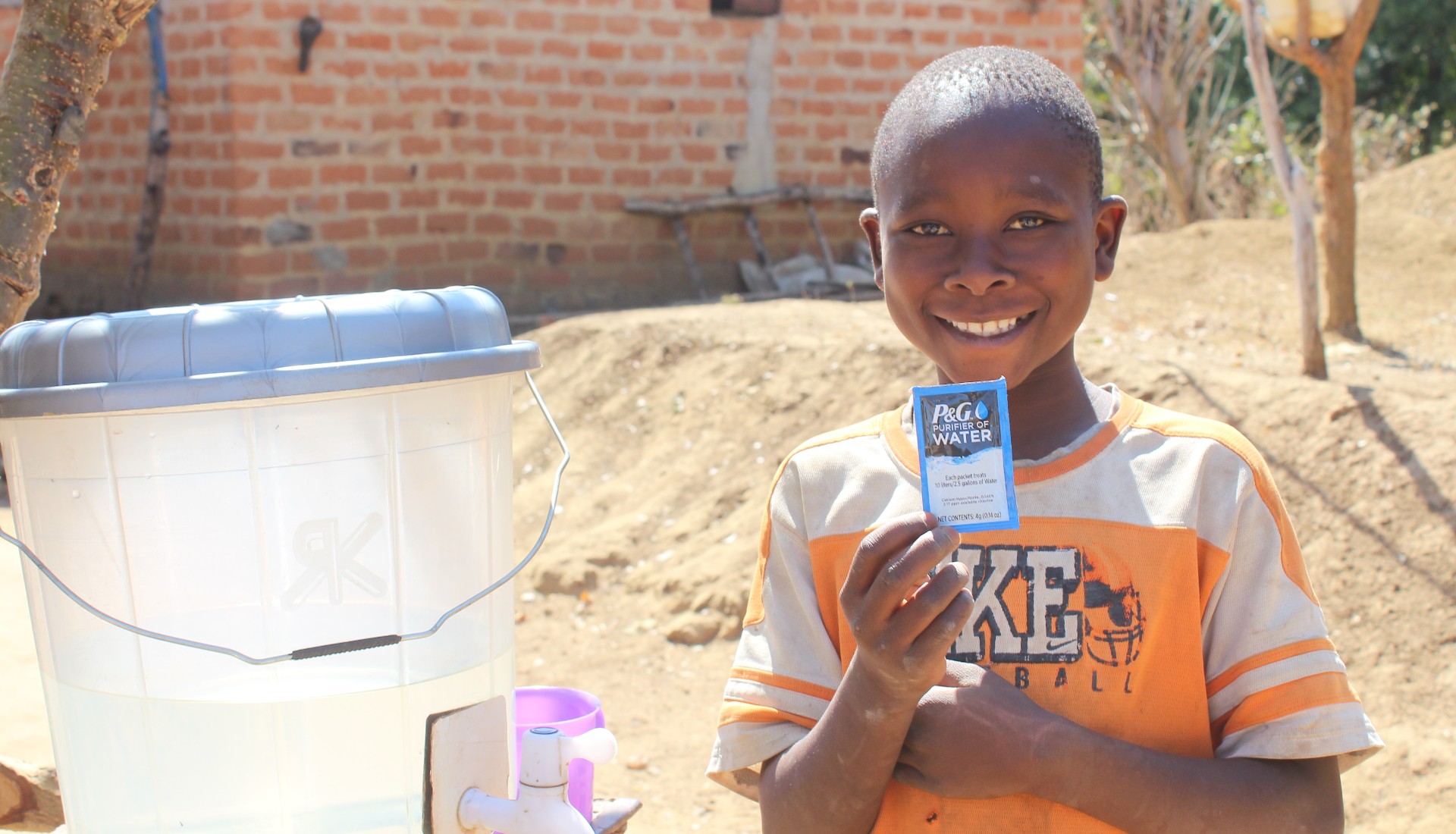
Anthony has learnt to treat his drinking water and make it safe.
In the rural communities of Mumbwa and Nyimba Districts, a quiet transformation is underway, led by children, families, guided by knowledge, and supported by ChildFund through the Procter & Gamble (P&G) Children’s Safe Drinking Water Project.
One of the young leaders driving change is 10-year-old Anthony, a bright and spirited boy who used to suffer frequent bouts of diarrhea, causing him to miss school and make multiple visits to the local health center. At one point, his family feared he might be under a curse.
But things have changed.
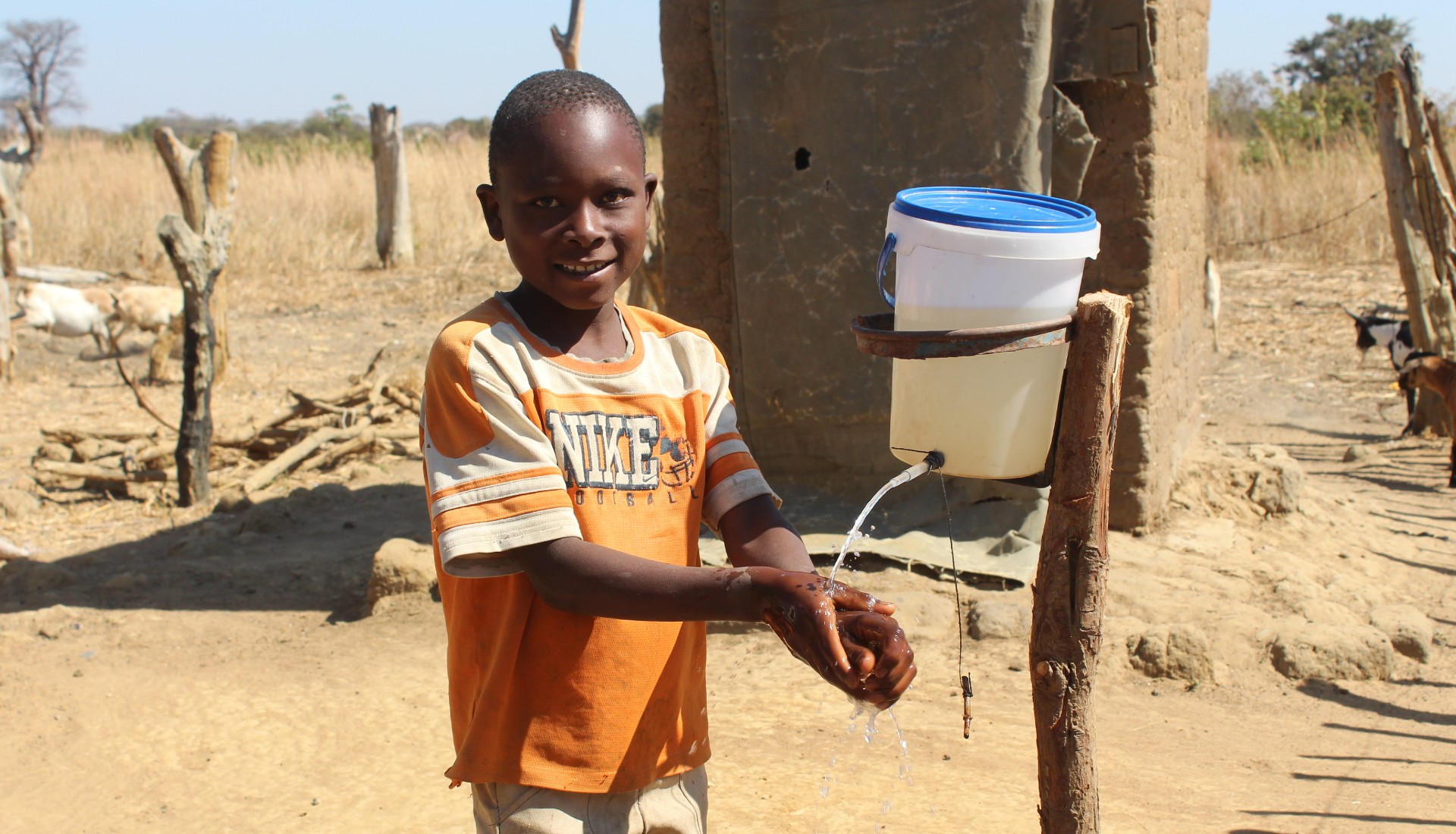
“I have learned to wash my hands properly after using the toilet and before handling food,” Anthony shares proudly. “We also cover the toilet after use, and my mother uses ashes from firewood to clean it. I can’t remember the last time I went to the hospital with stomach pain or diarrhea.”
Anthony’s story is just one among many in his village, where families are now embracing better hygiene and sanitation practices. Thanks to a series of training sessions, community members have built improved ventilated pit latrines (VIPs) and installed handwashing facilities at every home.
His mother, Mable, confirms the difference these changes have made. “Every morning, I use firewood ashes to clean the toilet and make sure there are no flies. The bad smells are gone. It’s safer and cleaner now,” she says with a smile.
From Learner to Trainer
Anthony’s father, Foster, has become a local champion for sanitation. After participating in the training, he didn’t stop at transforming his own home. He’s now helped 45 other families construct their own ventilated pit latrines and handwashing stations.
“Over 200 people have been trained so far,” Foster explains. “We’ve taught families to protect their water sources and build toilets at least 30 meters from their homes and kitchens. These changes are improving our quality of life.”
Every month, Foster conducts follow-up visits to ensure families are practicing what they’ve learned. He notes that community attitudes have shifted over time.
“At first, people didn’t want to change. Some still used the bush or borrowed toilets from neighbors. But when they saw the drop in diarrhea cases in trained families, they started taking the lessons seriously,” he recalls.
“We’re seeing children stay healthier and in school, and parents taking ownership of their environment. This is community-led change at its best.” Francis says. “Every pit latrine built, every handwashing station installed, is a step toward preventing disease and promoting dignity. Families now understand that sanitation isn’t only about facilities and equally important about behavior and commitment to each other’s health.”
Data obtained from project area health facilities by the project team indicated that diarrhea cases were reduced in all catchment areas from 2017 where 4,350 cases were recorded to less than 300 recorded cases in 2023. An external project evaluation noted that 92.9% of the community members reported that their communities have increased knowledge in water purification using sachets, storage, usage, and improved hygiene practices.
children are staying in school, and families are actively participating in maintaining their sanitation facilities.
Back in his village, Anthony helps his mother draw water from a well—one that they now know to keep covered and free from animal access. He beams when he talks about his dreams.“Since we started drinking treated water, I’ve stopped missing classes. I want to be a doctor when I finish school,” he says with confidence.




Related Resources
Clean water helps children in Muchimazi stay healthy and spend more time learning
In Muchimazi, Nyimba District, access to safe water is helping children stay healthy, spend more...
MAP, ChildFund donate USD 1M micronutrient supplements to improve maternal and child nutrition
ChildFund International and MAP International have donated more than 129,000 bottles of Multiple Micronutrient Supplements...
ChildFund advisory board visits Luangwa to review program impact
ChildFund’s Advisory Board embarked on its first visit to Luangwa District since being elected, marking...